
70194-6
Best language [NIH Stroke Scale]
Active
Term Description
Tests the patient's comprehension and communication and is graded from 0-3
Reference Information
| Type | Source | Reference |
|---|---|---|
| Image | National Institutes of Health | NIHSS Image for Best Language
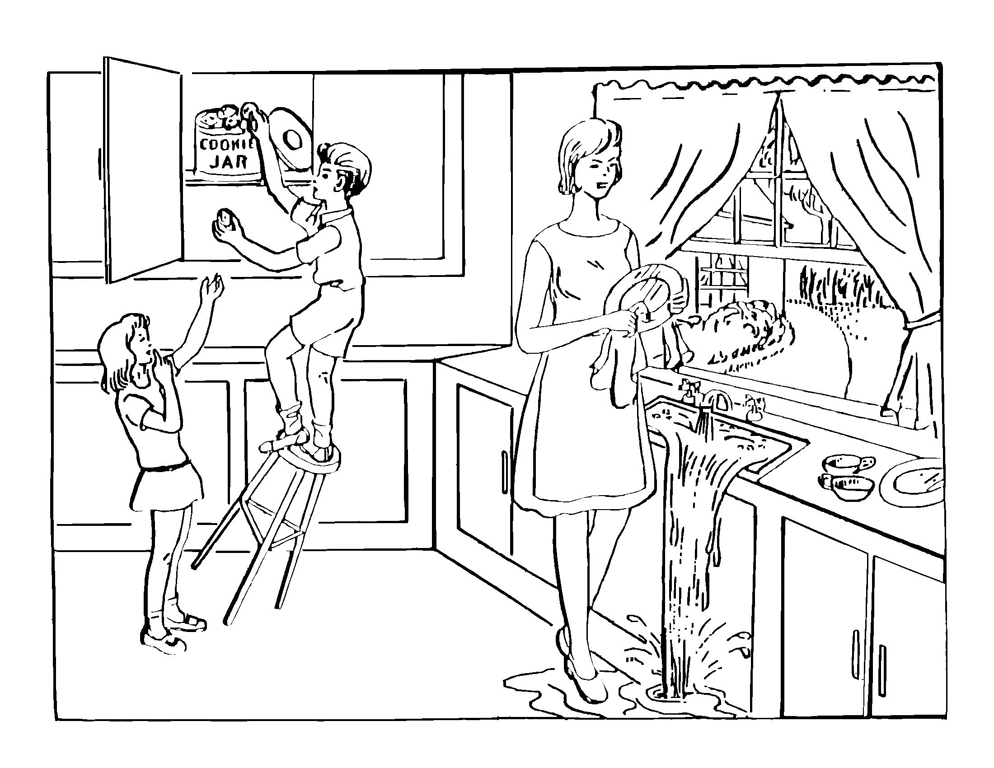 |
| Image | National Institutes of Health | NIHSS Image for Best Language
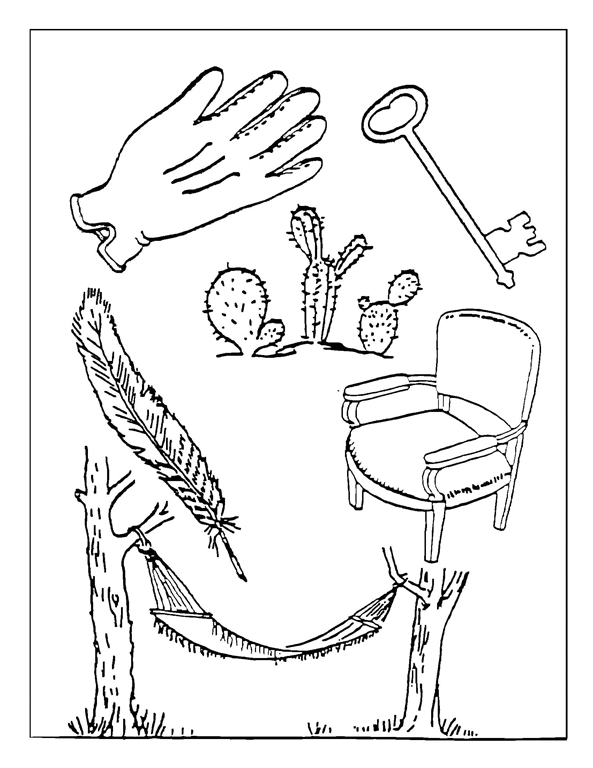 |
| Image | National Institutes of Health | NIHSS Image for Best Language
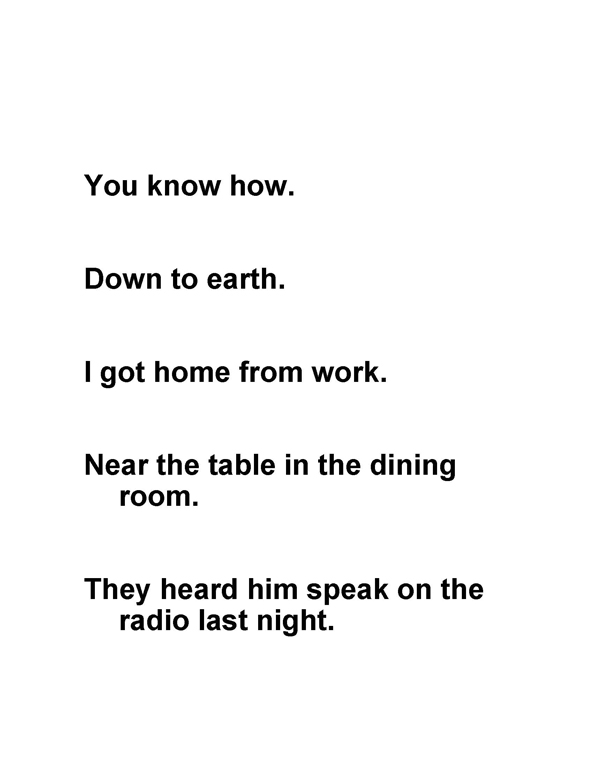 |
LOINC Names Get Info
- Fully-Specified Name
- Best language:
Find: Pt: ^Patient: Ord: NIHSS - Long Common Name
- Best language [NIH Stroke Scale]
Part Model Get Info
- Component
- Best language
LP145910-8
- Analyte
- Best language
LP145910-8
- Component Numerator
- Best language
LP145910-8
- Component Numerator Core
- Best language
LP145910-8
- Component Numerator Core Suffix
- NULL
- Component Denominator
- NULL
- Component Denominator Core
- NULL
- Component Denominator Core Suffix
- NULL
- Challenge
- NULL
- Adjustment
- NULL
- Count
- NULL
- Property
- Find
LP6813-2
- Time
- Pt
LP6960-1
- Time Core
- Pt
LP6960-1
- Time Modifier
- NULL
- System
- ^Patient
LP310005-6
- System Core
- NULL
- Super System
- Patient
LP6985-8
- Scale
- Ord
LP7751-3
- Method
- NIHSS
LP145896-9
Normative Answer List: LL2034-8
Source: National Institutes of Health| Answer | Code | Score | Answer ID |
|---|---|---|---|
| No aphasia; normal | 0 | LA18471-5 | |
| Mild-to-moderate aphasia; some obvious loss of fluency or facility of comprehension, without significant limitation on ideas expressed or form of expression Reduction of speech and/or comprehension, however, makes conversation about provided materials difficult or impossible. For example, in conversation about provided materials, examiner can identify picture or naming card content from patient’s response. | 1 | LA18472-3 | |
| Severe aphasia; all communication is through fragmentary expression; great need for inference, questioning, and guessing by the listener Range of information that can be exchanged is limited; listener carries burden of communication. Examiner cannot identify materials provided from patient response. | 2 | LA18473-1 | |
| Mute, global aphasia; no usable speech or auditory comprehension | 3 | LA18474-9 |
Basic Attributes
- Class
- SURVEY.NEURO
- Type
- Surveys
- First Released
- Version 2.40
- Last Updated
- Version 2.44 (MIN)
Member of these Panels
| LOINC | Long Common Name |
|---|---|
| 70182-1 | NIH Stroke Scale |
LOINC Terminology Service (API) using HL7® FHIR® Get Info
Requests to this service require a free LOINC username and password. Below is a sample of the possible capabilities. See the LOINC Terminology Service documentation for more information.
LOINC Copyright
Copyright © Regenstrief Institute, Inc. All Rights Reserved. To the extent included herein, the LOINC table and LOINC codes are copyright © Regenstrief Institute, Inc. and the Logical Observation Identifiers Names and Codes (LOINC) Committee. See https://